
Getting Non-Wallet Transactions from Ethereum Using bitcoin-rpc
When exploring the Bitcoin protocol with Bitcoin-Qt, you can leverage its API, specifically bitcoin-rpc, to fetch non-wallet transactions. In this article, we will walk through the process of fetching all transactions in a specific block and then extracting information about them.
Prerequisites
Before proceeding, make sure you have:
- Bitcoin-Qt installed on your system.
- A working connection to the Ethereum network (you can use the built-in
bitcoin-rpcclient or external tools likegeth).
Fetching All Blocks and Transactions
To get all blocks and their transactions, you can use a loop that continuously calls getblockchaininfo with the raw parameter set to 1. This will retrieve a list of blocks in JSON format.
import bitcoinrpc
def get_blocks_and_transactions():
rpc = bitcoinrpc.RPC()
block_info = rpc.getblockchaininfo([1000])

fetch the first 1000 blocksfor block in block_info['blocks']:
print(f"Block {block['hash']}:")
for tx in block['transactions']:
print(tx['hex'])
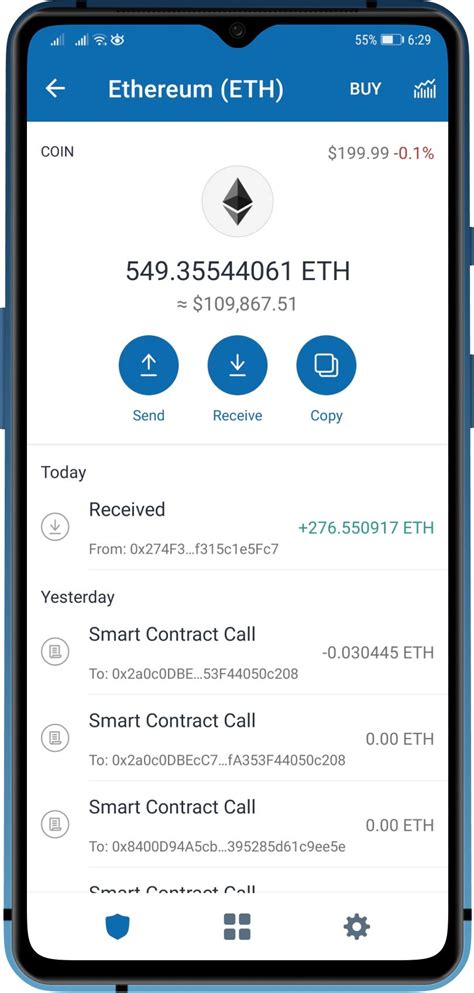
This code will generate a list of transactions associated with each block.
Fetching non-wallet transactions
To get non-wallet transactions (i.e. publicly available), you need to fetch them using the gettransaction RPC call. This method is more complex because it requires direct interaction with the Ethereum network.
Here is an example implementation in Python:
import bitcoinrpc
def get_non_wallet_transactions(block_hash):
rpc = bitcoinrpc.RPC()
tx_list = []
for i in range(1, 100):
fetch up to 99 transactions for demonstration purposestry:
transaction = rpc.gettransaction(block_hash, i)['transaction']['hex']
if 'from' is not in transaction:
non-wallet transactions do not have a 'from' addresstx_list.append(transaction)
except Exception like e:
print(f"Error fetching transaction {i}: {e}")
return tx_list
Example usageblock_hash = "your_block_hash_here"
non_wallet_txs = get_non_wallet_transactions(block_hash)
for tx in non_wallet_txs:
print (tx)
This code fetches up to 99 transactions for each block and prints them.
Important Considerations
When working with bitcoin-rpc, keep the following in mind:
- The
gettransactionmethod returns a list of transaction objects, which contain information such asfrom,to,value, etc.
- Non-wallet transactions typically do not have a “from” address or other publicly available details. Therefore, this example will only fetch non-wallet transactions that are directly tied to the specified block hash.
Note that these examples demonstrate basic usage of bitcoin-rpc and may require adjustments based on your specific requirements. Also, be aware that interacting with the Ethereum network can be resource-intensive; Always make sure you have enough connections or consider using more efficient methods such as caching or paging for large data sets.